Nitrate in Connecticut well water
USGS area-risk estimates for Nitrate in Connecticut private wells, by county. Nitrate is a health hazard, especially for infants. Above the 10 mg/L EPA limit it can cause methemoglobinemia (blue baby syndrome) in babies under six months. Boiling does NOT remove nitrate — it concentrates it — so testing is the only way to know your well is safe for formula.
How common is Nitrate in Connecticut?
0 of 9 Connecticut counties with a modeled estimate (0.0%) are flagged as elevated-risk areas for Nitrate, with a county-area average of 0.53 mg/L as N.
These figures are USGS area estimates: statistical groundwater models describing how likely elevated contaminant levels are across a county. They are not designed to predict the concentration in any single well. Only testing your own well reveals its water quality.
What is Nitrate?
Nitrate is a compound of nitrogen and oxygen (NO₃) and a plant nutrient. It is highly soluble and does not bind to soil, so once it reaches groundwater it moves freely with the water and stays until it is used by organisms or removed by treatment.
Health effects of Nitrate
Nitrate is a health hazard, especially for infants. Above the 10 mg/L (as nitrogen) EPA limit it can cause methemoglobinemia (“blue baby syndrome”) in babies under six months. Boiling does NOT remove nitrate — it concentrates it — so testing is the only way to confirm well water is safe for formula.
Symptoms & signs
- Blue or grayish skin in infants (methemoglobinemia)
- Shortness of breath in infants
- Lethargy
Who is most at risk
- Infants under 6 months (formula mixed with well water)
- Pregnant women
How Nitrate gets into a well
Nitrate leaches into groundwater from fertilizer, animal manure, and septic systems. Because it is very soluble and does not bind to soil, excess nitrate migrates downward to the water table — especially through sandy soils and after heavy rain or snowmelt.
Where Nitrate is common
Nitrate is the most common chemical contaminant of private wells in agricultural regions — areas with heavy fertilizer use or animal feedlots, and shallow wells in sandy soils, are at highest risk.
Highest Nitrate risk counties in Connecticut
Counties with the highest modeled Nitrate area-risk in Connecticut. These are county-area estimates, not a measurement of any single well.
Prefer a Simpler Option?
Can't find a convenient local lab? Mail-in testing offers EPA-certified analysis without appointments or travel.
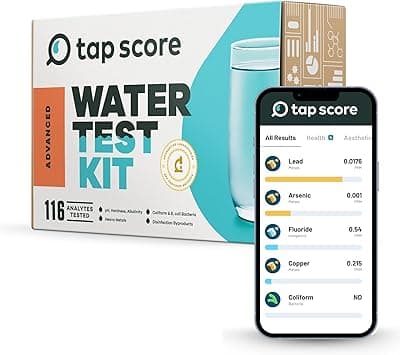
SimpleLab
Advanced Home Water Test
$269
Comprehensive water analysis testing over 200 contaminants including bacteria, heavy metals, and chemical compounds.
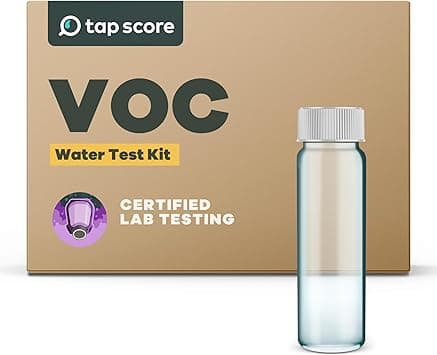
Tap Score
Volatile Organic Compounds (VOC) Test
$139
Detects volatile organic compounds including industrial solvents, fuels, and chemical contaminants.
SimpleLab
Coliform and E. coli Water Test
$99
The bacteria test a private well needs before closing and once a year after.
Find a Connecticut-certified lab
Get your well tested for Nitrate at a Connecticut-certified laboratory.
How to remove Nitrate: treatment options
Reverse osmosis (RO)
Point-of-use (single tap)Removes nitrate (and many other dissolved contaminants) at a single tap.
An under-sink reverse-osmosis unit typically runs about $450 and up (under-sink/countertop systems roughly $400–$1,350), plus periodic filter/membrane replacement. Costs vary widely.
Anion exchange
Whole-house (point-of-entry)A whole-house option that removes nitrate from all the water entering the home.
Nitrate-selective resin avoids dumping nitrate during high-draw periods; spent brine must be managed.
Whole-house (point-of-entry) systems are a larger investment — typically into the thousands of dollars installed — and total cost varies widely with water chemistry, system type, and professional installation.
Source reduction
Point-of-use or whole-houseReducing fertilizer near the well and maintaining the septic system lowers the nitrate reaching groundwater — the most durable fix.
Standard carbon filters and water softeners do NOT remove nitrate, and boiling concentrates it.
Costs are typical installed ranges that vary widely by system, water chemistry, region, and whether you install it yourself or hire a professional. Last reviewed 2026-06. Always confirm a device is certified (NSF/ANSI or WQA) for the specific contaminant.
Testing for Nitrate
- EPA maximum contaminant level (MCL)
- 10 mg/L (measured as nitrogen)Often reported as nitrate-nitrogen (NO₃-N).
- Can you taste, smell, or see it?
- None — nitrate is tasteless and odorless.
- Collecting a sample
- Ask the lab to test nitrate (and nitrite). Test before using well water for infant formula, and re-test after flooding or nearby land-use changes.
Sources
The facts on this page are drawn from primary public-health and government sources:
By TapWaterData Editorial
Nitrate in Connecticut well water FAQ
How common is Nitrate in Connecticut private wells?
0 of 9 Connecticut counties with a modeled estimate (0.0%) are flagged as elevated-risk areas. These figures are USGS area estimates: statistical groundwater models describing how likely elevated contaminant levels are across a county. They are not designed to predict the concentration in any single well. Only testing your own well reveals its water quality.
Is Nitrate a health risk?
Nitrate is a health hazard, especially for infants. Above the 10 mg/L EPA limit it can cause methemoglobinemia (blue baby syndrome) in babies under six months. Boiling does NOT remove nitrate — it concentrates it — so testing is the only way to know your well is safe for formula.
How do I test my Connecticut well for Nitrate?
Order a test that covers Nitrate from a Connecticut-certified drinking-water lab and compare the result to the EPA limit. The county-level estimate above is an area model for Connecticut, not a measurement of your individual well — only testing your own water reveals its Nitrate level.
Need whole-house or professional water treatment?
For the problems a pitcher or under-sink filter cannot fix — scale, rust and black staining, sulfur smell, well contamination, or test results you cannot explain. Tell us what is happening and we will connect you with a local water-treatment professional.
Worried about Nitrate in your Connecticut well?
Get our plain-English guide to testing private-well water and reading the results.
Free forever. Unsubscribe anytime. We never share your email.
Stay Informed About Your Water Quality
Get EPA reports, filter recommendations, and safety alerts for your area.
Weekly water-quality guidance for your area. Unsubscribe anytime.