NSF/ANSI Standard 44
Cation Exchange Softeners
NSF-44 certified water softeners reduce hardness minerals (calcium and magnesium) that cause scale buildup in pipes and appliances. These systems extend appliance life and improve water quality for household use.
Key Contaminants Removed
Ideal For
- ✓Preventing scale buildup
- ✓Protecting appliances
- ✓Reducing soap scum
- ✓Improving water softness
Certification Focus: Water softening and hardness reduction
New NSF-44 Filters Get Tested Regularly
We review new certified filters as they launch. Get notified so you don't miss a better option.
Free forever. Unsubscribe anytime. We never share your email.
NSF-44 Certified Filters (1)
Affiliate Disclosure: We earn affiliate commissions from purchases made through our links at no extra cost to you. This supports our testing and keeps our content free. Learn More

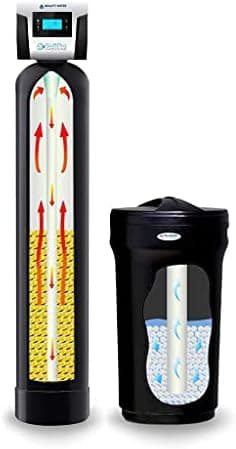
SoftPro
Elite 64K
NSF Certified:
Flow Rate
12 gpm
Removes 5 contaminants:
Calcium, Magnesium, Barium, Strontium, Iron
What is NSF-44 Certification for Water Softeners?
NSF/ANSI Standard 44 is the industry benchmark for cation exchange water softeners. Developed by NSF International, this standard establishes the minimum requirements for materials, design, construction, and performance of residential and commercial water softeners that use ion exchange resin to reduce water hardness.
Why NSF-44 matters: When a water softener carries NSF-44 certification, it means an independent laboratory has verified that the system actually reduces water hardness as claimed by the manufacturer. This is not a self-certification — NSF International conducts rigorous testing including hardness reduction verification, structural integrity testing, material safety evaluation, and contaminant extraction testing to ensure no harmful substances leach into the treated water.
What is tested: NSF-44 testing evaluates three key areas: (1) hardness reduction performance — confirming the softener reduces calcium and magnesium to claimed levels, (2) structural integrity — ensuring the system can withstand normal water pressure and usage conditions over time, and (3) material safety — verifying that all materials in contact with water are safe and do not introduce contaminants. Products must also meet strict lead-free requirements under NSF/ANSI 372.
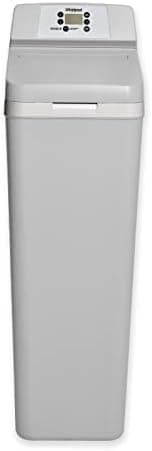
While NSF-44 certification is not legally required for water softeners sold in the United States, it provides the strongest independent validation that a softener performs as advertised. In our water softener reviews, the SoftPro Elite and Whirlpool WHES40E both carry NSF-44 certification.
NSF-44 Frequently Asked Questions
What does NSF-44 certified mean for a water softener?
Is NSF-44 certification required for water softeners?
How do I verify if my water softener is NSF-44 certified?
What's the difference between NSF-44 and NSF-42?
About NSF-44 Certification
All filters listed on this page have been independently tested and certified by NSF International or WQA to meet the requirements of NSF/ANSI Standard 44. This certification ensures that these filters have been rigorously tested for their ability to reduce specific contaminants as claimed by manufacturers.
We recommend choosing filters based on your specific water quality concerns. You can check your local water quality report or test results to identify which contaminants are present in your water supply, then select filters certified to remove those specific contaminants.
Stay Informed About Your Water Quality
Get EPA reports, filter recommendations, and safety alerts for your area.
Join 10,000+ people protecting their families. Unsubscribe anytime.